


How luck influences your chances at the casino

The Role of Luck in Gambling
Luck plays a crucial role in gambling, particularly in a casino setting where random numbers, spins, and card draws determine outcomes. When players step into a casino, they often rely on the notion that fortune will favor them, influencing their decisions and strategies, much like how those seeking entertainment might consider the best sports betting sites canada to enhance their experience. The unpredictability of outcomes is central to the thrill of gambling, as no player can accurately predict when luck will shine upon them. This uncertainty can generate excitement and draw individuals to games, regardless of their experience level.
The concept of luck is deeply ingrained in the culture of casinos. Players often engage in rituals or habits believed to increase their chances of winning, reflecting their faith in luck. For instance, some may carry lucky charms or perform specific actions before placing a bet. This psychological aspect of believing in luck can significantly impact a player’s confidence, leading them to take risks they might avoid if they perceived their chances as purely based on skill or strategy.
Moreover, while luck is unpredictable, it is essential to consider the house edge in casino games. Each game is designed with a mathematical advantage favoring the casino, meaning that, over time, luck alone is unlikely to secure consistent winnings. However, a stroke of good fortune can still lead to significant payouts in the short term. Recognizing the balance between luck and the inherent odds of a game can help players manage their expectations while still enjoying the thrill of chance.
The Psychological Impact of Luck
The psychological influence of luck on players cannot be understated. Many gamblers ascribe personal meaning to their success or failure at the tables, often interpreting outcomes as reflections of their luck. This personal investment in the idea of luck can lead to a unique emotional experience for players, where winning invokes feelings of pride and elation, while losing may result in frustration or despair. Understanding these emotions is vital as they can impact future gambling decisions.
Players often go through a cognitive process influenced by luck, which can alter their betting behavior. For example, someone who experiences a winning streak may feel invincible, prompting them to increase their bets recklessly in the hope that their good luck is a sign of long-term success. This phenomenon, known as the “winner’s curse,” can lead to significant losses when luck inevitably turns. Conversely, those who experience a losing streak may become overly cautious, doubting their strategies and avoiding bets that could lead to recovery.
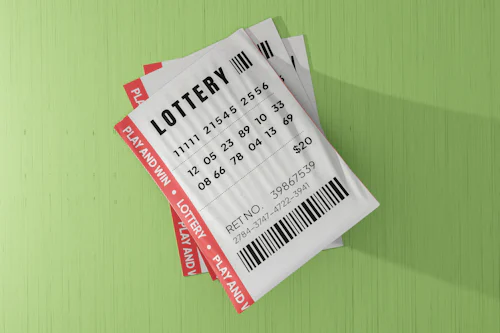
Furthermore, the perception of luck can also affect social interactions within the casino environment. Players may connect with one another, sharing stories of luck and celebrating wins together. This communal aspect reinforces the idea of luck as a shared experience, further embedding it into the culture of gambling. The social dynamics can create an atmosphere where players feel supported, even during losses, which can encourage them to continue participating in the games, driven by the possibility of future luck.
Luck vs. Skill in Casino Games
The age-old debate of luck versus skill remains a hot topic among casino enthusiasts. In many games, such as slots or roulette, luck dictates the outcomes, making them purely chance-driven. These games do not rely on player skill but rather on random outcomes, ensuring that everyone has an equal opportunity to win based solely on chance. Players are solely at the mercy of the spinning wheel or the random number generator, emphasizing the element of luck as the primary factor in winning.
Conversely, games such as poker and blackjack blend luck with skill, introducing strategic elements that can influence outcomes. In poker, for instance, players must consider their hands, analyze their opponents’ behaviors, and decide when to bet or fold. While luck initially dictates the cards a player receives, skill plays a vital role in maximizing wins and minimizing losses. Through strategic play, seasoned gamblers can use their understanding of the game to tilt the odds in their favor, showcasing that skill can ultimately shape outcomes despite the inherent randomness involved.
Understanding how both luck and skill interplay in casino games can help players strategize effectively. Skilled players may still rely on a bit of luck, acknowledging that while they can influence their outcomes, they cannot control every variable. This balance encourages a healthy respect for both the randomness of luck and the benefits of skillful play, fostering a more nuanced understanding of what it means to gamble in a casino setting.
Coping with Luck and Losses
In the unpredictable world of gambling, coping with luck and losses is crucial for maintaining a responsible attitude towards gaming. Losing streaks are an inevitable part of gambling, and how players respond can significantly impact their overall experience. Emphasizing a balanced relationship with luck can help players understand that not every bet will be successful, thereby encouraging a more relaxed perspective when faced with losses. The ability to accept that luck can fluctuate over time is key to sustaining enjoyment in the casino environment.
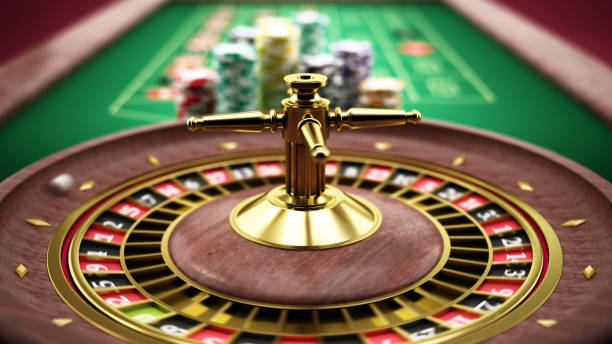
Moreover, players often develop personal strategies to cope with the stress of losses. These might include taking breaks, setting strict budgets, or establishing win-loss limits. By incorporating these strategies, players can create a more enjoyable and controlled gaming atmosphere, reducing the emotional toll of gambling. This kind of self-regulation often leads to more informed decisions and a healthier approach to luck and losses, fostering a commitment to responsible gambling.
Managing expectations is also crucial when considering the role of luck in gambling. Players should recognize that while the potential for winning exists, it is not guaranteed. Understanding the transient nature of luck can help players avoid chasing losses or falling into detrimental gambling behaviors. Ultimately, acknowledging the unpredictable aspects of luck while employing responsible gaming strategies can contribute to a more enjoyable and sustainable gambling experience.
Exploring More About Casinos
For those intrigued by the interplay of luck and gambling, there is a wealth of information available to deepen your knowledge and enhance your gaming experience. Many resources delve into the psychology of gambling, providing insights into how luck influences player behavior, strategies to manage expectations, and tips for navigating various games. Understanding the broader context of casino gaming can help players appreciate the role of luck while making informed decisions at the tables.
Additionally, numerous platforms offer tutorials and guides on different casino games, allowing players to familiarize themselves with game mechanics and develop their strategies. Using these resources can empower players to engage more thoughtfully with their luck and gambling experiences. Knowledge is a powerful tool that can help improve overall performance and enjoyment, allowing players to approach casinos with the confidence that comes from being informed.
In conclusion, the exploration of luck within casinos reveals a complex relationship that influences both gameplay and player behavior. Whether you are a casual player or a seasoned gambler, understanding how luck interacts with strategy and decision-making can enhance your experience. By engaging with the available resources and approaching your gaming with a balanced perspective, you can navigate the exciting world of casinos with greater awareness of luck’s unpredictable nature.